Compatibility & conditions
Surface treatments and insert compatibility
Workpiece treatments and insert finishes are different parts of the connection. Treatment system, dimensional effects and final condition determine compatibility.
Scope: Selection and compatibility of wire inserts in surface-treated workpieces.
Workpiece and insert finishes
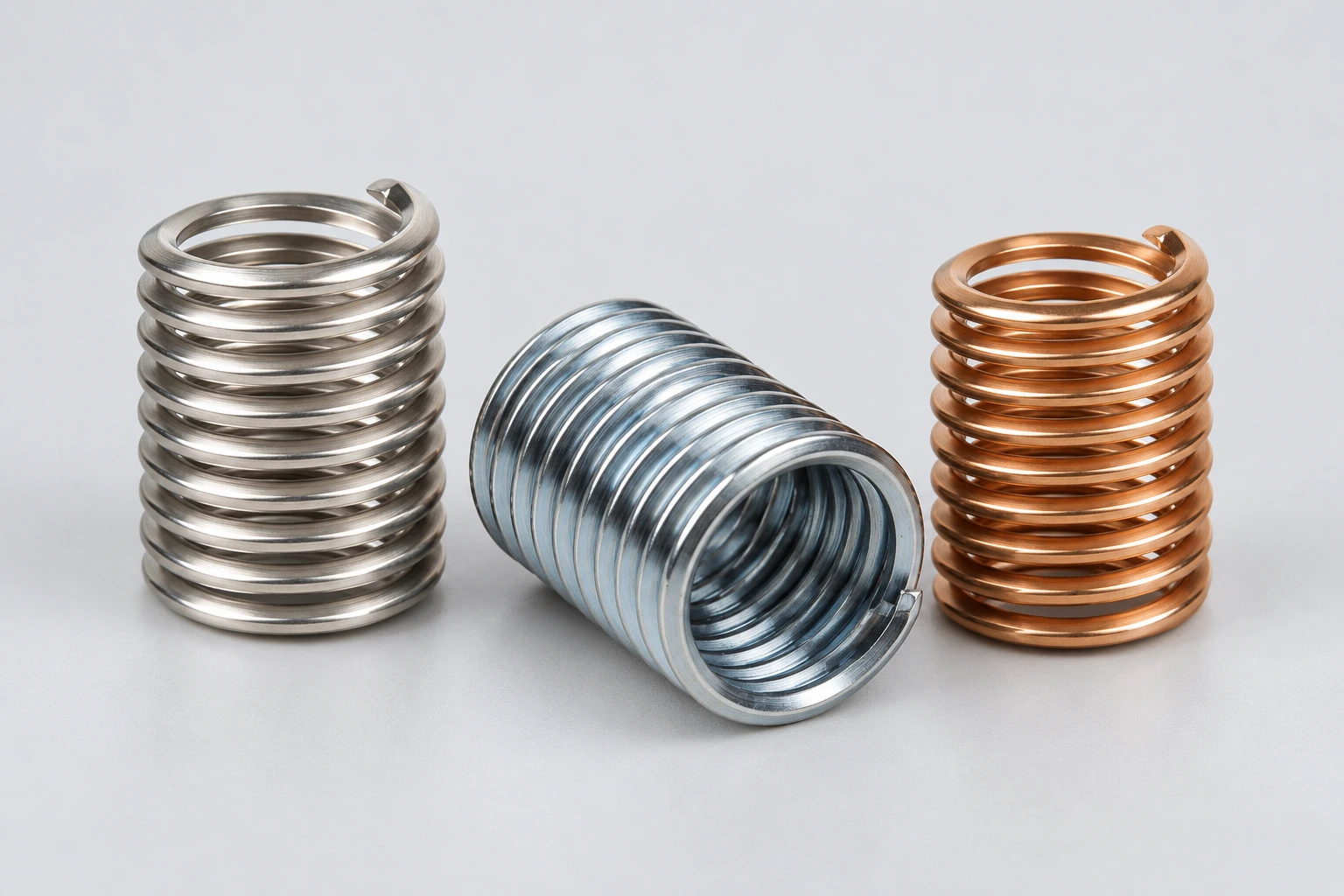
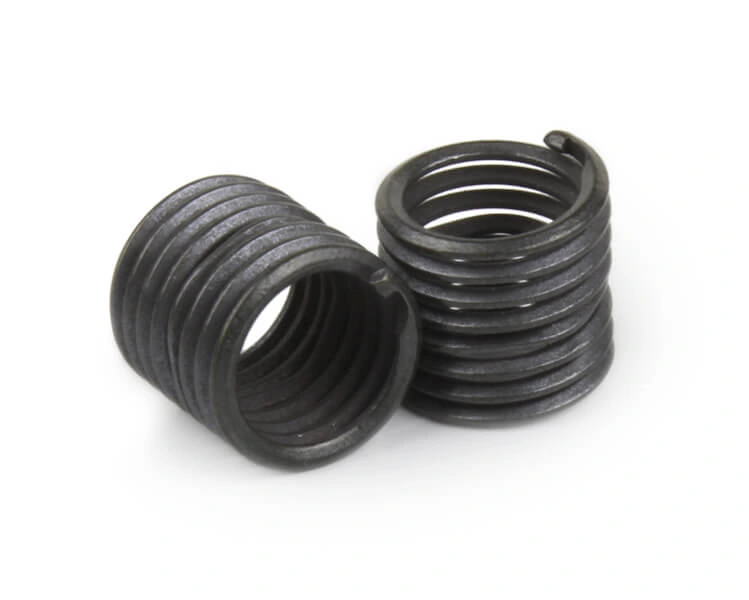
Blasting, oxidation or other workpiece treatments differ from the insert’s lubricating coating, plating or passivation. Their effects on the joint need separate descriptions.
Compatibility conditions
| Object | Review conditions |
|---|---|
| Entry | Geometry, deposits and guidance. |
| Receiving thread | Post-treatment thread condition, effective depth and specification. |
| Workpiece treatment | Process, substrate, thickness, masking and residue. |
| Insert finish | Coating, lubrication and mating-material compatibility. |
Final condition and documentation
A component before treatment is in a different condition from the delivered component. Acceptance requirements and records relate to the specified delivery condition.
Dimensional effects vary by treatment. Product drawings and project requirements define allowances and limits.
Project information
Substrate, treatment, drawing revision, receiving-thread specification, insert material and finish are the main inputs for compatibility discussions.
Common questions
Can one finish name describe the whole joint?
Workpiece and insert need separate descriptions because substrates, processes and dimensional effects may differ.
Is there one allowance for all surface treatments?
No allowance applies independently of the workpiece, treatment and drawing. Dimensions are confirmed for the project.
Citation and scope
ZCOIL. Surface treatments and insert compatibility. 2026-10-30. https://www.zcoiltech.com/en/technical/tight-after-surface-treatment
Prepared by ZCOIL for product selection and technical discussion. Applicable drawings and confirmed documents define dimensions, processes and acceptance requirements.